(1) Intuitively reflect the particle morphology
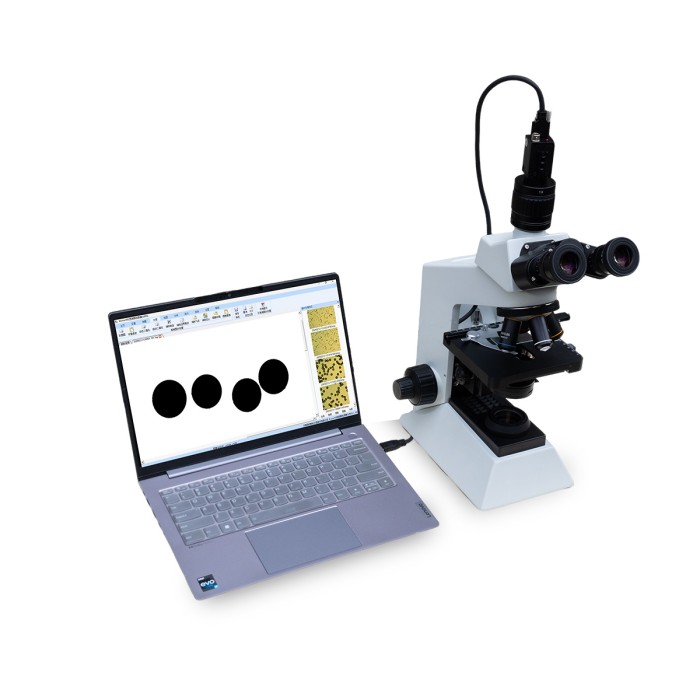
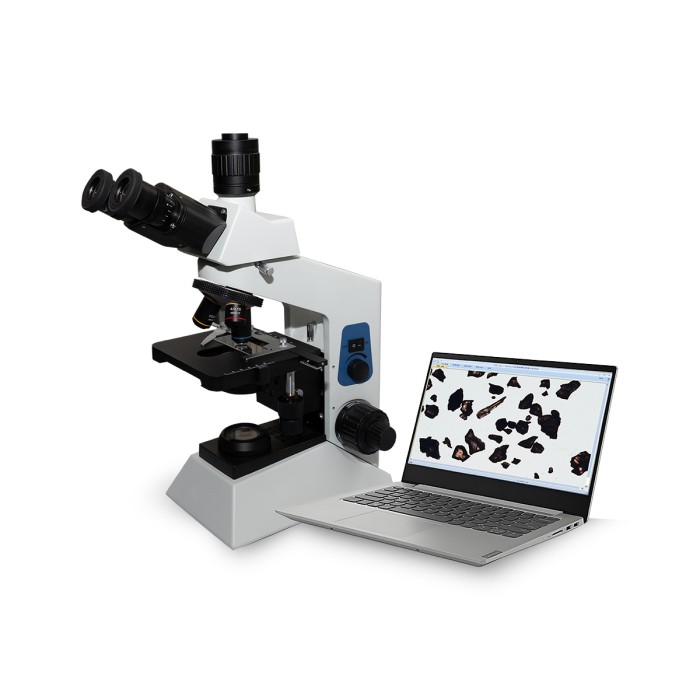
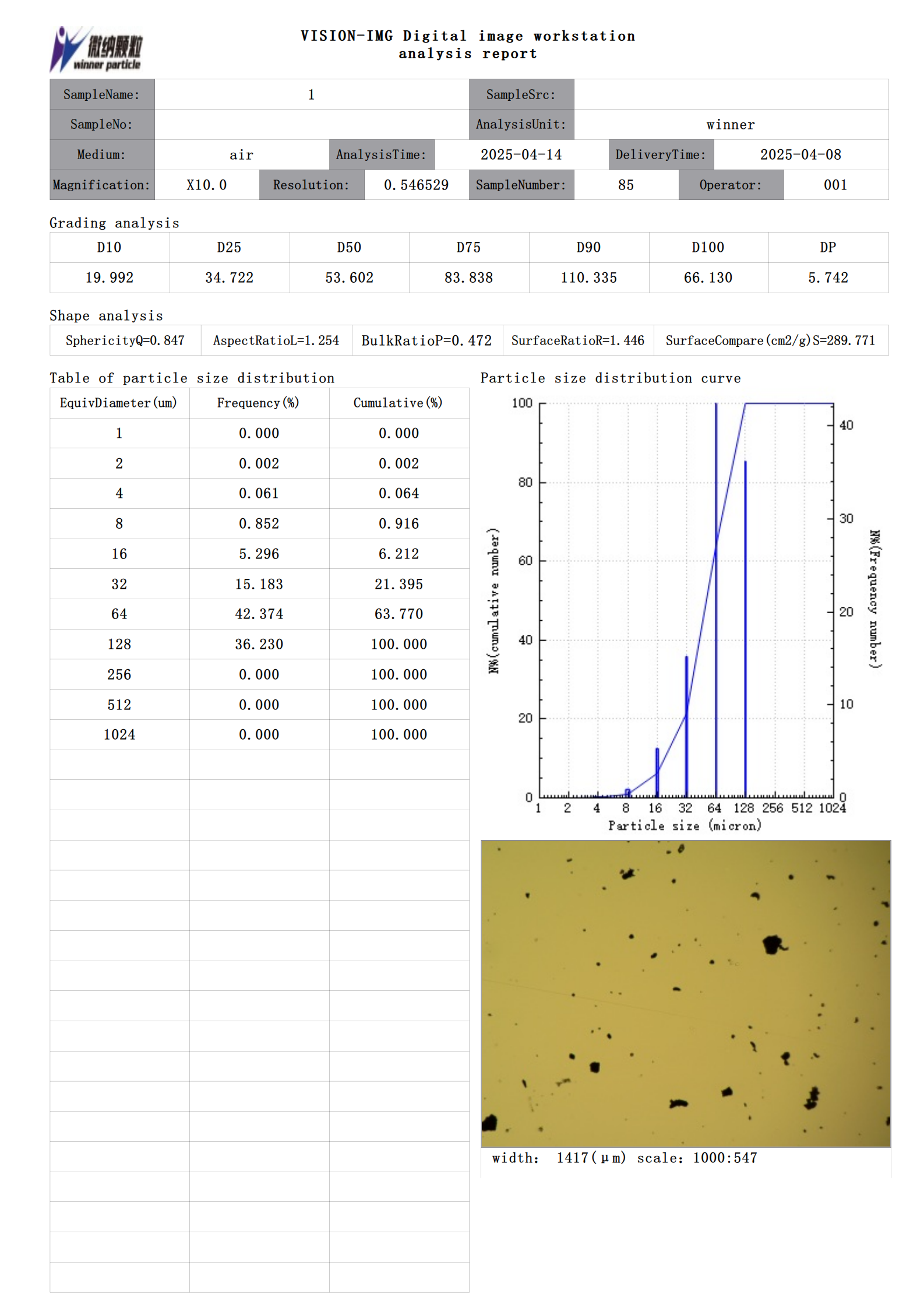
The surface morphology of the particles is directly reflected on the computer screen, so users can understand the morphology of the particles intultively and comprehensively.
(2) Perfectly stitch multiple images together
The particle images of different fields of view are stitched into one, so that more particles are involved in the analysis and the test results are more representative.
(3) Automatically segment of stuck particles
Adopt more advanced particle recognition algorithm to automatically segment various shapes of adherent particles, significantly improving segmentation accuracy, reducing human involvement and effectively shortening image processing time.
(4) Adaptive binarization function
The adaptive binarization function is used to ensure that the image binarization process is not affected by the shooting light, thus avoiding the loss of particle information due to uneven light. This lays the foundation for the accuracy of subsequent processing.
(5) Optical path design
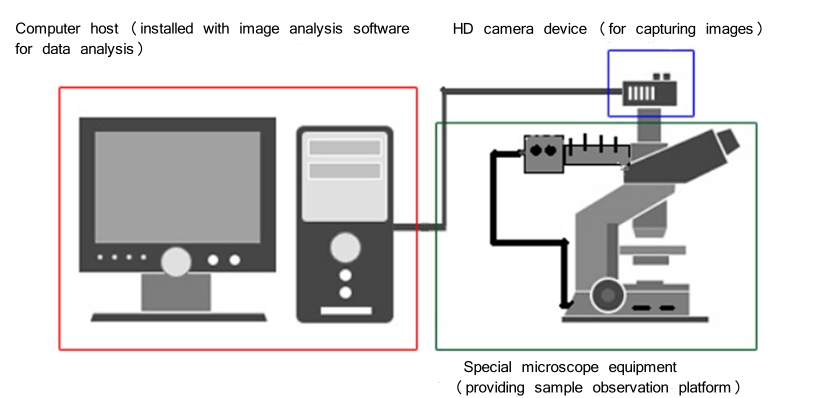
The particle image analysis software can automatically process the tool set, integrate binarization, eliminate incomplete frequency particles at the boundary, etc. It only takes one key to process the particle mage and generate the analysis results. The operation is simple and the results are reliable.
(6) Freely switch particle size units
The ruler selection supports multiple length units, including nanometers, micrometers and millimeters. It is convenient for users to further process particle images obtained by electron microscopy and other methods.
(7) Quickly process particles with special shapes
A unique processing algorithm is used for spherical particles. Particles can be directly analyzed without processing the original image. Even if the particles are adhered or overlapped, the analysis result will not be affected. The analysis efficiency of spherical particles is improved.
 ES
ES  AR
AR  RU
RU  PT
PT